
Time for Health
Exercise is medicine—We need to give people TIME to take it
A public health initiative exploring healthier work schedules for healthier lives
Join the MovementThe Idea Is Simple.
Let's address chronic disease by giving people time to invest in their health
The evidence is growing. The model has been tested. And healthier work may be better for both people and businesses.
We’ve Spent Decades Fighting Chronic Disease. It’s Still Growing.
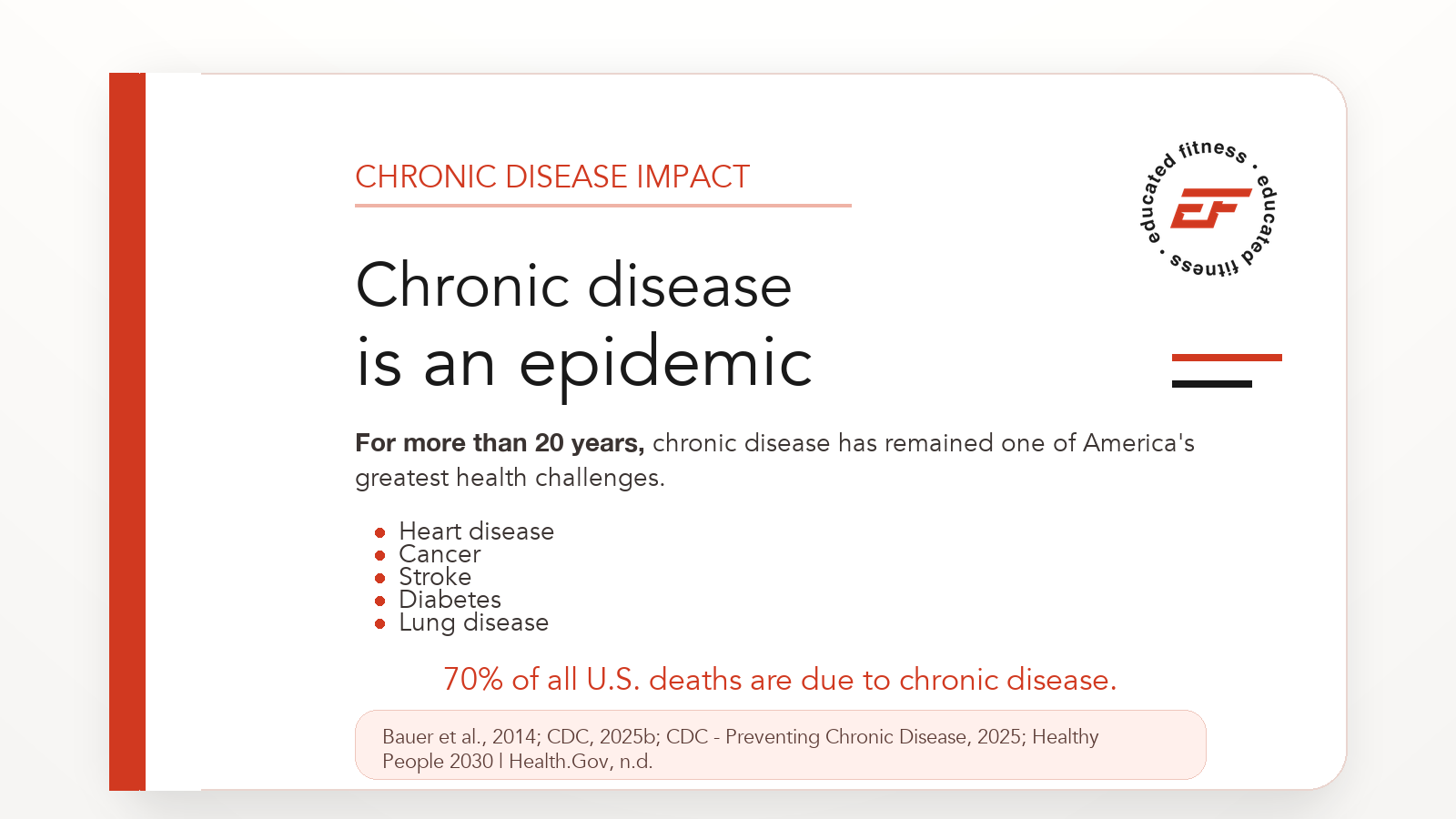
We've Tried Hundreds of Strategies and Physical Activity Levels Remain Unchanged.
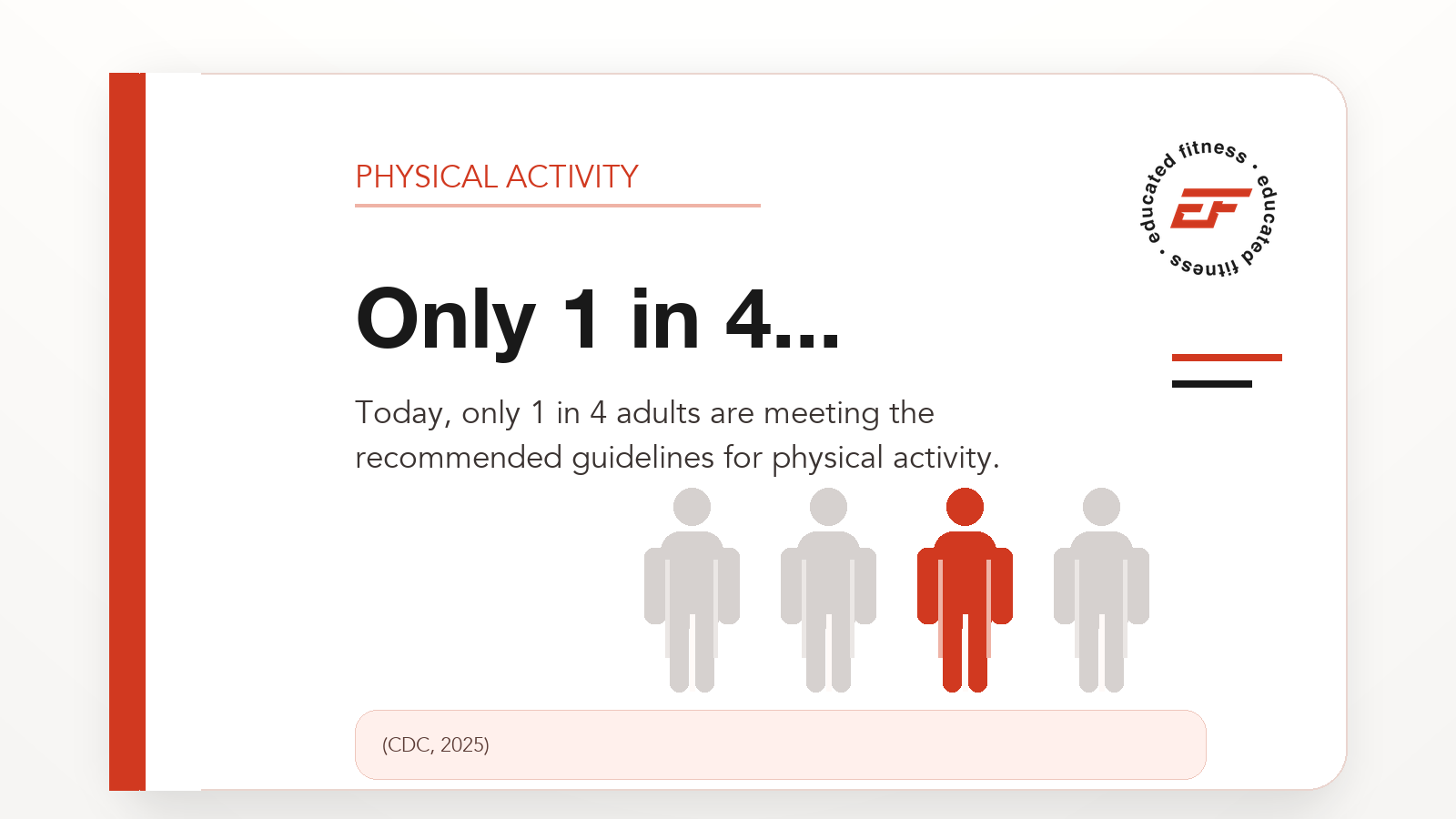
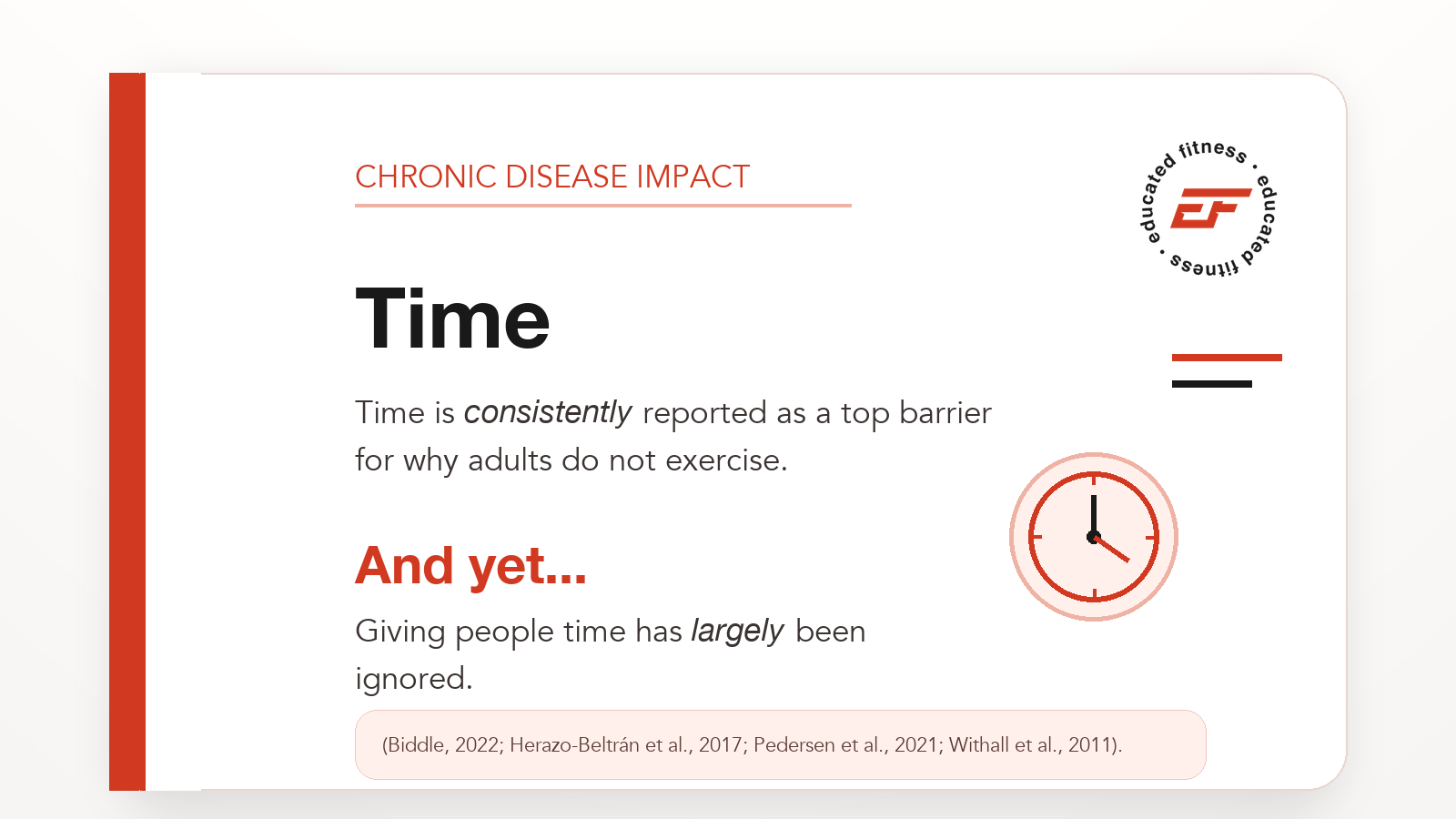
One Barrier Keeps Showing Up...
A Possible Solution?
The Problem
Healthy Living Requires:
Exercise 🏃🏻♀️
Taking Care of Our Mental Health 😌
Sleep 😴
Volunteering 🤝
Healthy Meals 🥗
Spending Time with Family 🏡
Managing Stress 😣
Performing Civic Duties 🏛️
Rest and Recovery 🛌
And More... 😩
To Accomplish This, We’re Told to “Make Time” for Our Health
Yet we spend thousands of hours each year at work, and rarely question whether work has to take up as much of our lives as it does.
The traditional workday has become just that: tradition.
Maybe it’s time to rethink.
When we tell people to 'make time' what we are really telling them is...
. . .
'Please decide which essential part of your life you would like to neglect.'
Our Mission
Give people the TIME and opportunity to invest in their health.
Time for Health works to make healthy living more accessible by addressing one of its biggest barriers: time.
Through research, education, and advocacy, we’re exploring healthier ways to work.
How It Works
A Healthier Workday Doesn't Have to Be Complicated
Time for Health proposes a voluntary approach that helps employers support healthier employees while maintaining strong businesses.
Employers Choose
Businesses can voluntarily adopt healthier work models.
Examples include:
✔ 32-hour workweeks
✔ 6-hour workdays
✔ Flexible schedules
No mandates.
No one-size-fits-all approach.
Time Becomes Wellness
Instead of asking employees to find time for health after work...
Work itself becomes part of the wellness strategy by giving employees time for:
• Exercise
• Sleep
• Family
• Mental health
• Preventive healthcare
Wellness Recognition
Participating employers could qualify for recognition as an approved workplace wellness program.
Business incentives would include:
• Tax subsidies
• Financial Assistance for employee health
• State pilot grants
The goal is to reward businesses that invest in healthier employees.
Measure Results
Success isn't measured by working fewer hours.
It's measured by better outcomes:
✔ Health
✔ Productivity
✔ Employee retention
✔ Mental health
✔ Family well-being
✔ Business performance
DON'T FORGET: WE'VE DONE THIS BEFORE
In 1926, the 5-day Workweek Was a Radical Idea
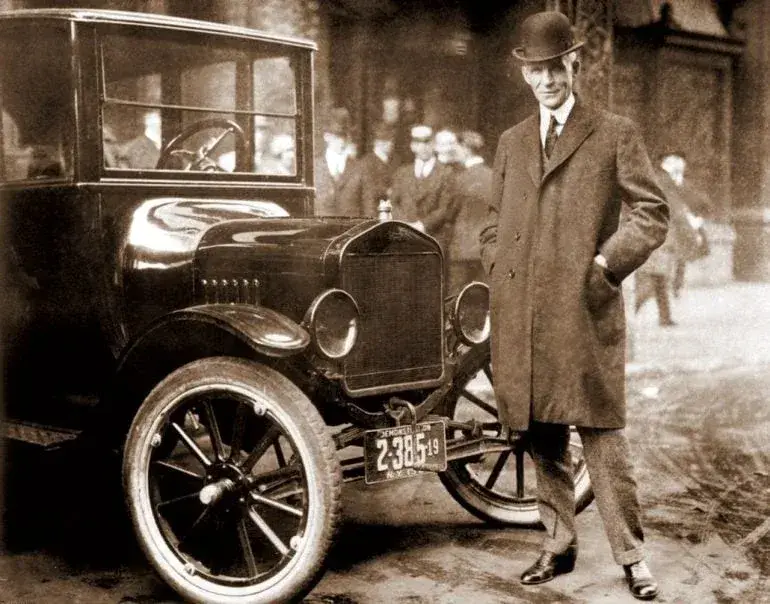
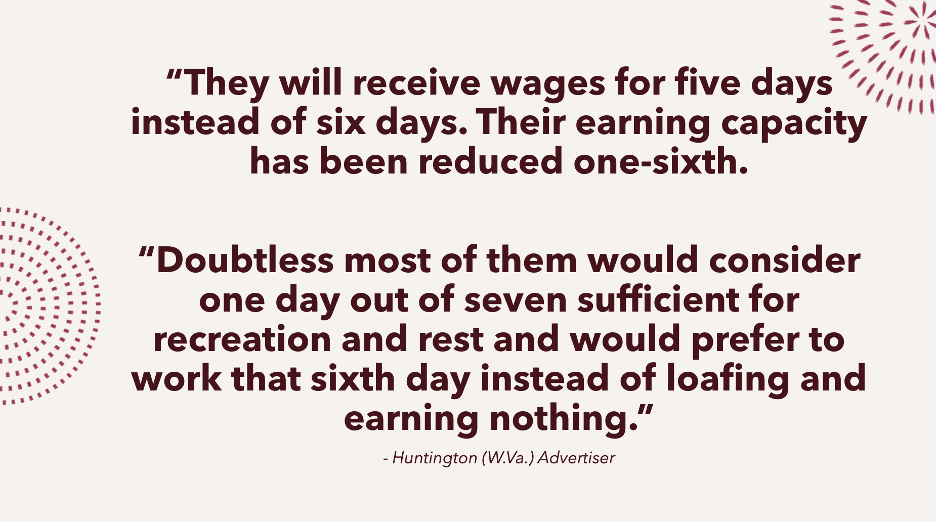
Before the five-day week became commonplace, six-day schedules were common. When Ford moved to a five-day, 40-hour week in 1926, the idea drew debate and skepticism.
More Time for Life
Ford argued workers needed more time for rest, recreation, family, and self-improvement.
Businesses Didn't Have to Suffer
Ford believed better organization could maintain productivity while giving workers more leisure, and argued that shorter schedules could benefit business and prosperity.
WHAT WAS RADICAL BECAME NORMAL
When Ford not only maintained productivity, but increased it, morale improved, retention increased, and the five-day, 40-hour, workweek eventually became the familiar American standard.
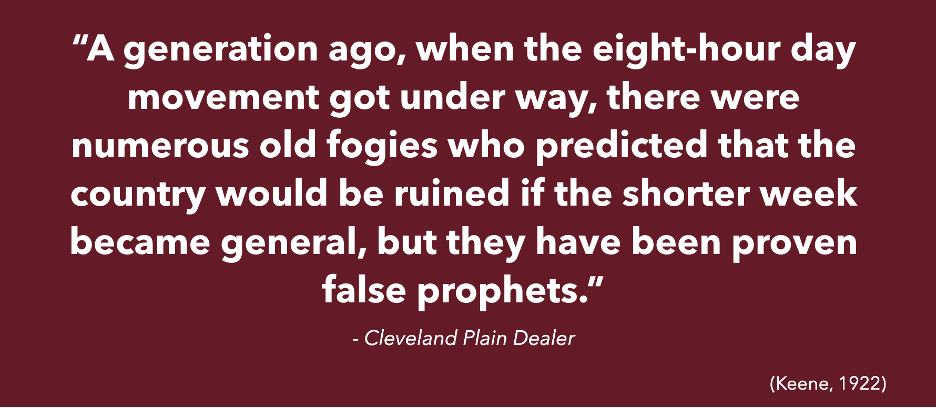
The 40-Hour Week Wasn't the End of Progress. Why Should We Treat It Like It Was?
"The eight-hour day was not the ultimate, & neither is the five day week... probably the next move will come in the direction of shortening the day rather than the week"
— Henry Ford, 1926
Why It Works
Current wellness programs often ask employees to improve their health outside of work.
But despite giving them great resources employees still don't have the time to participate.
Time for Health fixes this by asking:
What if time itself became the wellness program?
When people have more time, research shows:
✔ Better sleep
✔ Lower stress
✔ Smaller waist size
✔ Lower blood sugar
✔ Better self-reported health
✔ Improved quality of life
✔ Lower smoking rates
✔ Better physical and mental health
✔ Improved job satisfaction
All things a business would hope to gain from an employee wellness program

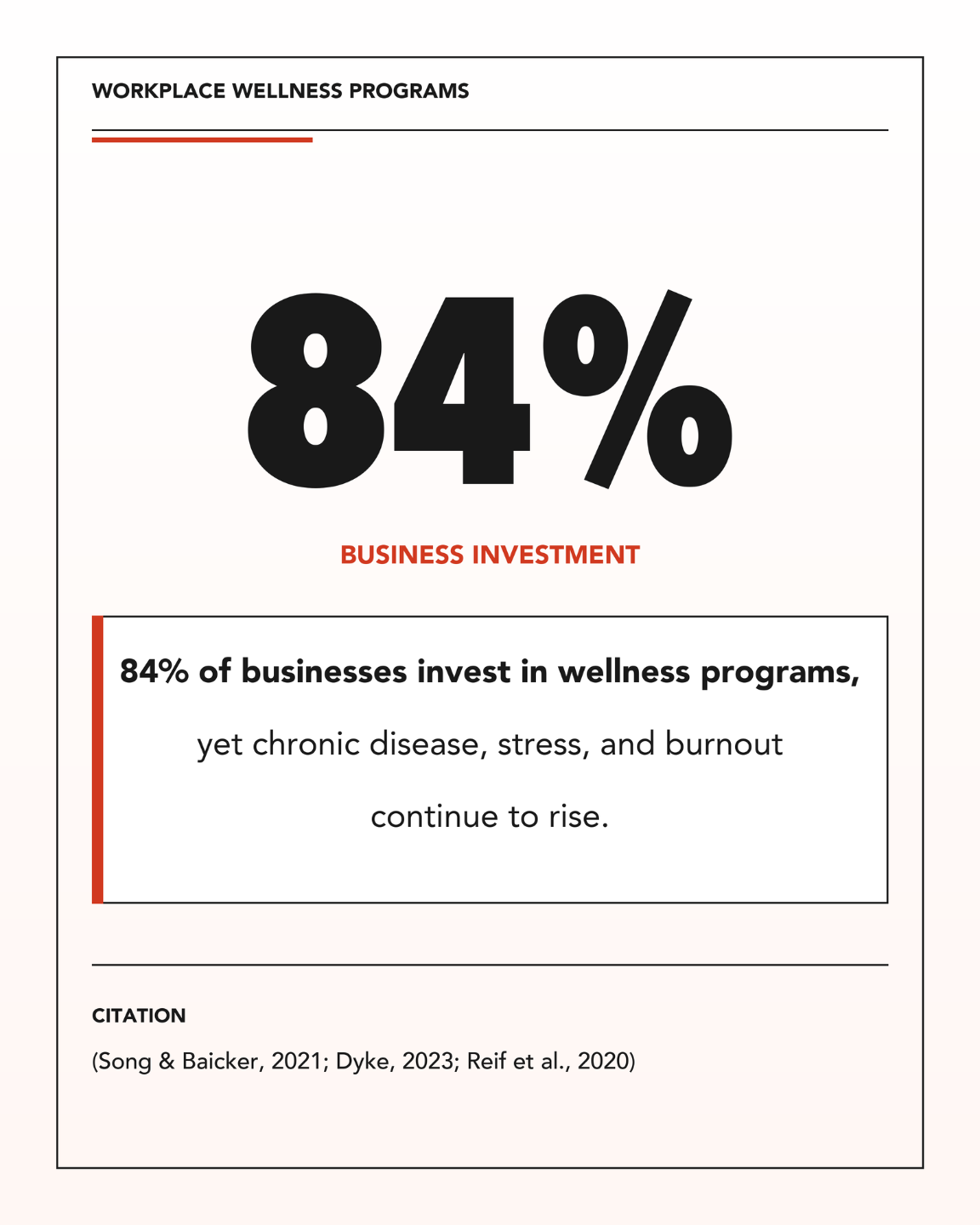
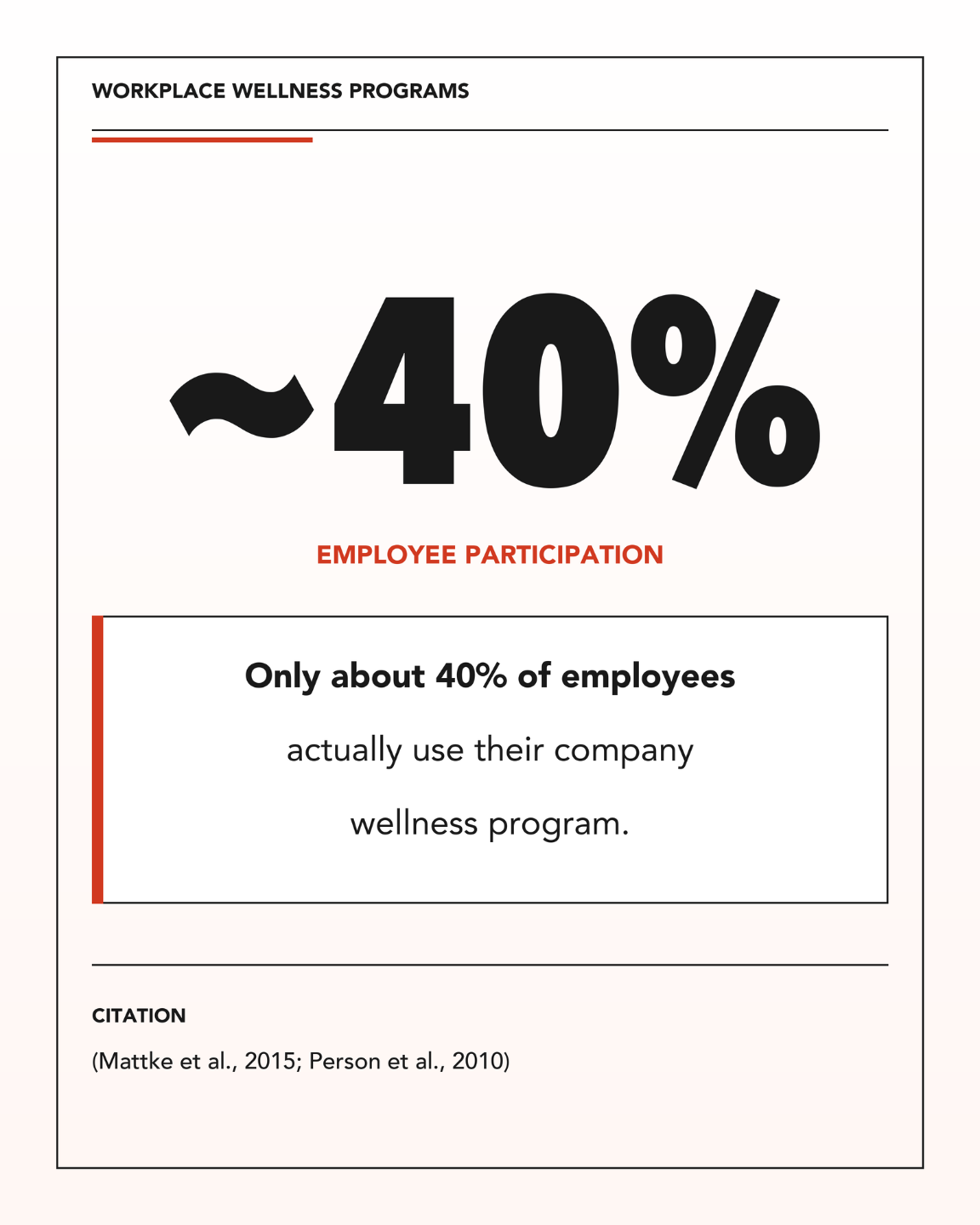
The Fact Is...
Wellness Programs Work... When Employees Participate
So, Why Not Invest in a Wellness Program That Could Create 100% Participation?
Frequently Asked Questions
Would This Be Mandatory?
Does This Mean Everyone Should Work 32 Hours?
Is This Anti-Business?
Will Businesses Lose Money?
Is This Anti-Work or Promoting Laziness?
Won't Productivity Decrease?
Why Focus on Time?
Is There Evidence This Actually Works?
Why Not Just Encourage Employees to Use Their Free Time Better?
What If People Don't Use the Time to be Healthier?
Why Rethink the 8-hour Workday?
Join the Movement
Together, we can rethink the future of healthy living.
Stay informed with the latest research, stories, and ideas shaping healthier workplaces and healthier communities.
Support A Healthier Workweek